



Thomas Risberg
co-author of "Professional Java Development with the Spring Framework"
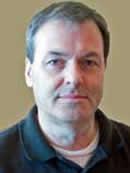
Thomas has been a developer on the Spring Framework project since early 2003, contributing to enhancements of the JDBC framework portion.
Thomas currently works as a consultant for SpringSource specializing in Java EE and database projects. He has been involved with developing database applications, both as a DBA and as an application developer for over 20 years, using a wide variety of languages and databases.
Thomas is co-author of "Professional Java Development with the Spring Framework" together with Rod Johnson, Juergen Hoeller, Alef Arendsen, and Colin Sampaleanu, published by Wrox in 2005.
Presentations
Tools, Tips and Tricks to improve your Spring Persistence layer
Most database development can be helped by using available tools, as long as you know what to look for and where to look. We will look at some useful tools and see how they can be configured to help you run within a Spring development environment. We'll amore »Graph Database Persistence using Neo4J with Spring and Roo
It's getting more and more common to use non-relational data stores for storing parts of or the entire domain model. In this talk we will show you how you can easily do this with Neo4J (a "NoSQL" graph database) using new features now available in Spring more »Writing applications for Cloud Foundry using Spring and MongoDB
How do you get started writing an application for the cloud? more »Architecture choices for Scalable Cloud Apps
This session explores how Spring technologies such as Spring Integration can be effectively used on Cloud Foundry to create scalable Spring applications. more »Books
by Rod Johnson, Juergen Hoeller, Alef Arendsen, Thomas Risberg, and Colin Sampaleanu

 List Price:
 $39.99
Price: $26.29
You Save: $13.70 (34%)
-
The Spring Framework is a major open source application development framework that makes Java/J2EE(TM) development easier and more productive. This book shows you not only what Spring can do but why, explaining its functionality and motivation to help you use all parts of the framework to develop successful applications.
You will be guided through all the Spring features and see how they form a coherent whole. In turn, this will help you understand the rationale for Spring's approach, when to use Spring, and how to follow best practices. All this is illustrated with a complete sample application. When you finish the book, you will be well equipped to use Spring effectively in everything from simple Web applications to complex enterprise applications.
What you will learn from this book
* The core Inversion of Control container and the concept of Dependency Injection
* Spring's Aspect Oriented Programming (AOP) framework and why AOP is important in J2EE development
* How to use Spring's programmatic and declarative transaction management services effectively
* Ways to access data using Spring's JDBC functionality, iBATIS SQL Maps, Hibernate, and other O/R mapping frameworks
* Spring services for accessing and implementing EJBs
* Spring's remoting framework
Who this book is for
This book is for Java/J2EE architects and developers who want to gain a deeper knowledge of the Spring Framework and use it effectively.
Wrox Professional guides are planned and written by working programmers to meet the real-world needs of programmers, developers, and IT professionals. Focused and relevant, they address the issues technology professionals face every day. They provide examples, practical solutions, and expert education in new technologies, all designed to help programmers do a better job.
List Price: $39.99
Price: $26.29
You Save: $13.70 (34%)
Price: $26.29
You Save: $13.70 (34%)
-
The Spring Framework is a major open source application development framework that makes Java/J2EE(TM) development easier and more productive. This book shows you not only what Spring can do but why, explaining its functionality and motivation to help you use all parts of the framework to develop successful applications.
You will be guided through all the Spring features and see how they form a coherent whole. In turn, this will help you understand the rationale for Spring's approach, when to use Spring, and how to follow best practices. All this is illustrated with a complete sample application. When you finish the book, you will be well equipped to use Spring effectively in everything from simple Web applications to complex enterprise applications.
What you will learn from this book
* The core Inversion of Control container and the concept of Dependency Injection
* Spring's Aspect Oriented Programming (AOP) framework and why AOP is important in J2EE development
* How to use Spring's programmatic and declarative transaction management services effectively
* Ways to access data using Spring's JDBC functionality, iBATIS SQL Maps, Hibernate, and other O/R mapping frameworks
* Spring services for accessing and implementing EJBs
* Spring's remoting framework
Who this book is for
This book is for Java/J2EE architects and developers who want to gain a deeper knowledge of the Spring Framework and use it effectively.
Wrox Professional guides are planned and written by working programmers to meet the real-world needs of programmers, developers, and IT professionals. Focused and relevant, they address the issues technology professionals face every day. They provide examples, practical solutions, and expert education in new technologies, all designed to help programmers do a better job.